

Navigating halal restaurant etiquette is essential for Muslim diners and those seeking a respectful dining experience. This guide covers key aspects to consider.
When dining at a halal restaurant, understanding the etiquette involved can greatly enhance your experience and show respect for the cultural practices of the Muslim community. Whether you are a regular patron or visiting for the first time, here are some essential guidelines to consider.
1. Respect for the Space
Halal restaurants often hold significant cultural and spiritual value for their patrons. It’s important to respect the environment by maintaining a polite demeanor and being considerate of other diners. In many cases, these establishments may have specific decor or themes that reflect Islamic culture, so approaching the space with reverence is advisable.
2. Consideration of Dietary Restrictions
While halal restaurants primarily serve food that meets Islamic dietary laws, diners should be aware that individual dietary restrictions may vary. Always ask questions about menu items if you’re unsure of the ingredients. For example, some dishes may contain alcohol or non-halal meat products. Don’t hesitate to seek clarification from the staff to ensure your meal aligns with your beliefs.
3. Ordering Etiquette
When ordering, it’s polite to follow the lead of your hosts if you are dining with Muslims. Allow them to order first or encourage them to choose the dishes. This demonstrates respect for their customs and preferences. If you are unfamiliar with the menu, you can ask for recommendations, which the staff will often appreciate.
4. Timing of Meals
During the holy month of Ramadan, many Muslims fast from dawn until sunset. If you’re dining with Muslim friends during this time, consider scheduling meals in a way that accommodates their fasting. This may involve dining later in the evening, closer to iftar, when they break their fast. If you’re unsure, simply ask what works best for them.
5. Sharing Food
Sharing food is a common and cherished practice in many cultures, including among Muslim diners. If you’re sharing a meal, be mindful of hygiene—use utensils rather than your hands when serving from communal dishes. This helps to maintain cleanliness and shows consideration for the health of all diners.
6. Prayer Considerations
Many halal restaurants provide a prayer area or allow for short breaks for prayer during meals. If you're dining with someone who wishes to pray, be accommodating and supportive. It’s a meaningful part of their practice and should be respected.
7. Ending the Meal
As the meal comes to an end, it’s courteous to thank your hosts or the restaurant staff. Sharing your appreciation for the meal enhances the dining experience and reflects positively on the establishment. A simple “thank you” goes a long way in expressing gratitude for the food and hospitality.
Conclusion
Understanding halal restaurant etiquette is vital for creating a respectful and enjoyable dining experience for both Muslim and non-Muslim diners alike. By being mindful of cultural practices and dietary restrictions, you can enhance your culinary adventures and foster a sense of community. Whether you're exploring Turkish, Lebanese, or Pakistani cuisines, your thoughtful approach will contribute to a positive atmosphere.
For more insights on halal dining options and to discover local halal restaurants, visit Halal Nearby. Here you’ll find a curated selection of halal eateries that cater to diverse tastes and traditions.
Remember, dining is not just about the food; it’s about the experience. Enjoy your meal and the company around you!
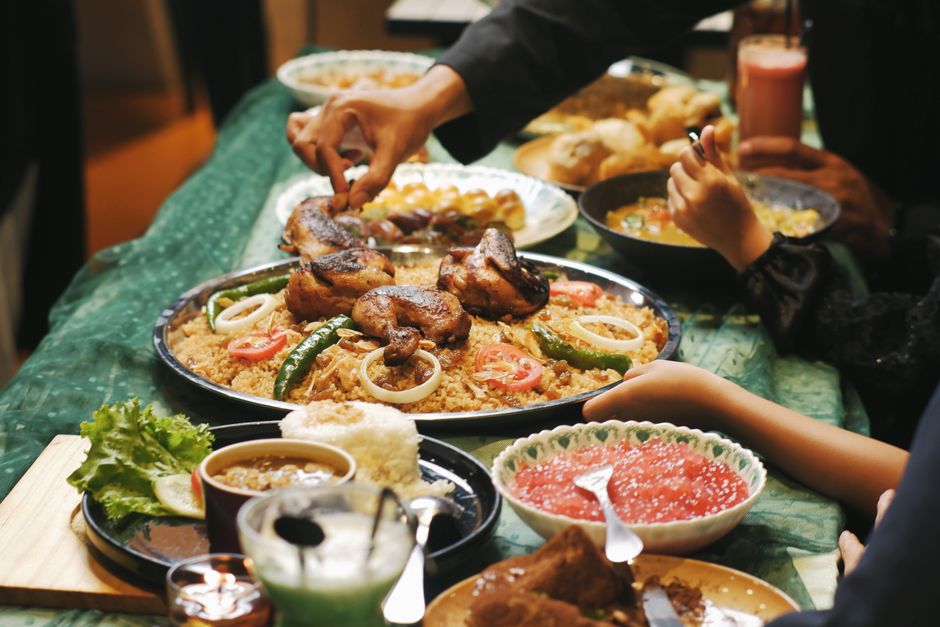
Photo by Nurul Sakinah Ridwan on Pexels
Related reading: Info@Halalnearby.